 090003 25483
 Yashoda Hospitals Hitec City Hyderabad, Kothaguda, Telangana 500084
On this World Health Day 2026, most awareness campaigns talk about symptoms — chest pain, breathlessness, fatigue. But what if the real danger is what doesn’t show up?
Heart disease rarely announces itself loudly. It builds quietly — in daily habits, stress, diet, and neglect — until one day, it becomes irreversible.
This year’s message is simple but powerful:
Your heart doesn’t scream first. It silently adapts… until it can’t.
🫀 The Invisible Build-Up: How Heart Disease Starts
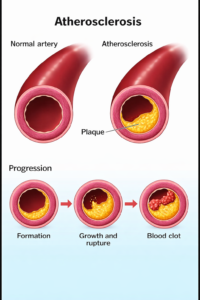
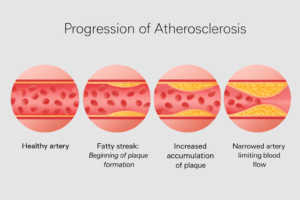
Heart disease doesn’t happen overnight. It’s a slow process called atherosclerosis — where fatty deposits gradually narrow your arteries.
What makes it dangerous?
- No early pain
- No visible signs
- No warning until advanced
You may feel completely “normal” while your arteries are silently narrowing.
⚠️ The Modern Lifestyle Trigger
- Long sitting hours
- High stress (especially in corporate lifestyles)
- Poor sleep
- Processed food
- Lack of physical activity
This is why young adults (30s–40s) are increasingly at risk today.
🧠 Why We Ignore Heart Health
Let’s be honest — most people don’t take heart health seriously until something happens.
The 3 biggest reasons:
- “I feel fine” mindset
No symptoms = No problem (wrong) - Delayed check-ups
“I’ll do it later” turns into years - Underestimating risk factors
BP, sugar, cholesterol — often ignored
🔍 The Turning Point: Awareness Before Emergency
Here’s the truth:
Most heart attacks are preventable — if detected early.
What actually saves lives:
- Regular health screenings
- Early detection of risk factors
- Timely lifestyle changes
- Guided medical intervention
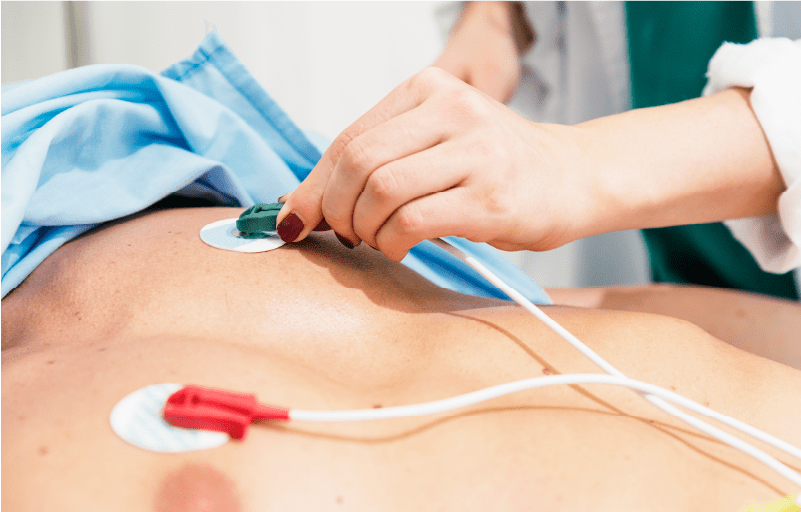
Even a simple ECG, lipid profile, or stress test can reveal hidden risks.
💡 A New Way to Think About Heart Health
Instead of reacting to disease, we need to predict and prevent it.
Ask yourself:
- When was your last heart check-up?
- Do you know your cholesterol levels?
- Is your blood pressure under control?
- Are you physically active?
If you don’t know these answers — that’s your first warning sign.
Small Changes That Protect Your Heart

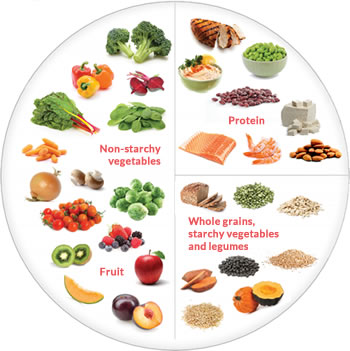
You don’t need extreme changes. Just consistent ones.
Start with:
- 30 mins daily walking
- Reduce processed & oily food
- Manage stress (meditation / breaks)
- Sleep 7–8 hours
- Quit smoking & limit alcohol
Remember:
It’s not about doing everything perfectly.
It’s about not ignoring your heart consistently.
Silent Warning Signs You Shouldn’t Ignore
Even though heart disease is silent, your body sometimes whispers:
- Unusual fatigue
- Mild chest discomfort
- Shortness of breath
- Palpitations
- Reduced exercise tolerance
Don’t wait for severe symptoms.
The Real Impact: Why This Matters
Heart disease doesn’t just affect you — it affects:
- Your family
- Your responsibilities
- Your future
One ignored check-up can change everything.
One timely decision can save everything.
Expert Insight
Dr. V. Rajasekhar
MD, DM (Cardiology) | 27+ Years Experience
Yashoda Hospitals, Hitech City, Hyderabad
Dr. Rajasekhar is a highly respected cardiologist with over 27 years of experience, known for his expertise in both interventional cardiology and electrophysiology.
- Performs ~700 angioplasties annually
- 300+ electrophysiology procedures
- 100+ device implantations (including CRT & defibrillators)
- Expertise in advanced procedures like:
- TAVR & TMVR
- High-risk PCI with Impella support
- Laser coronary angioplasty
His approach emphasizes early detection, precision treatment, and preventive cardiology — aligning perfectly with this year’s awareness message.
❓ Frequently Asked Questions (FAQs)
1. What is the most common cause of heart disease?
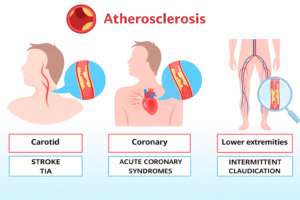
The most common cause is blockage in arteries (atherosclerosis) due to cholesterol buildup, lifestyle factors, and genetics.
2. At what age should I start heart check-ups?
Ideally:
- 30+ years: Basic screening
- Earlier if you have risk factors like diabetes, smoking, or family history
3. Can heart disease occur without symptoms?
Yes. Many patients have no symptoms until a major event like a heart attack.
4. How often should I get my heart checked?
- Once every 1–2 years if healthy
- More frequently if you have risk factors
5. Is exercise alone enough to prevent heart disease?
No. Exercise helps, but you also need:
- Healthy diet
- Stress control
- Regular check-ups
6. What tests are important for heart screening?
- ECG
- Lipid profile
- Blood sugar
- TMT / Stress test
- Echocardiography (if needed)
7. Can young people get heart disease?
Yes. Increasingly common due to lifestyle stress, poor diet, and lack of activity.
8. What is the biggest mistake people make?
Ignoring early screening and assuming “I’m fine.”
Final Thought
This World Health Day, don’t wait for your heart to warn you.
Because when it finally does… it might be too late.
Take one step today:
✔ Book a check-up
✔ Start a small habit
✔ Pay attention
Your heart works for you 24/7.
It deserves at least one conscious decision from you.