 090003 25483
 Yashoda Hospitals Hitec City Hyderabad, Kothaguda, Telangana 500084

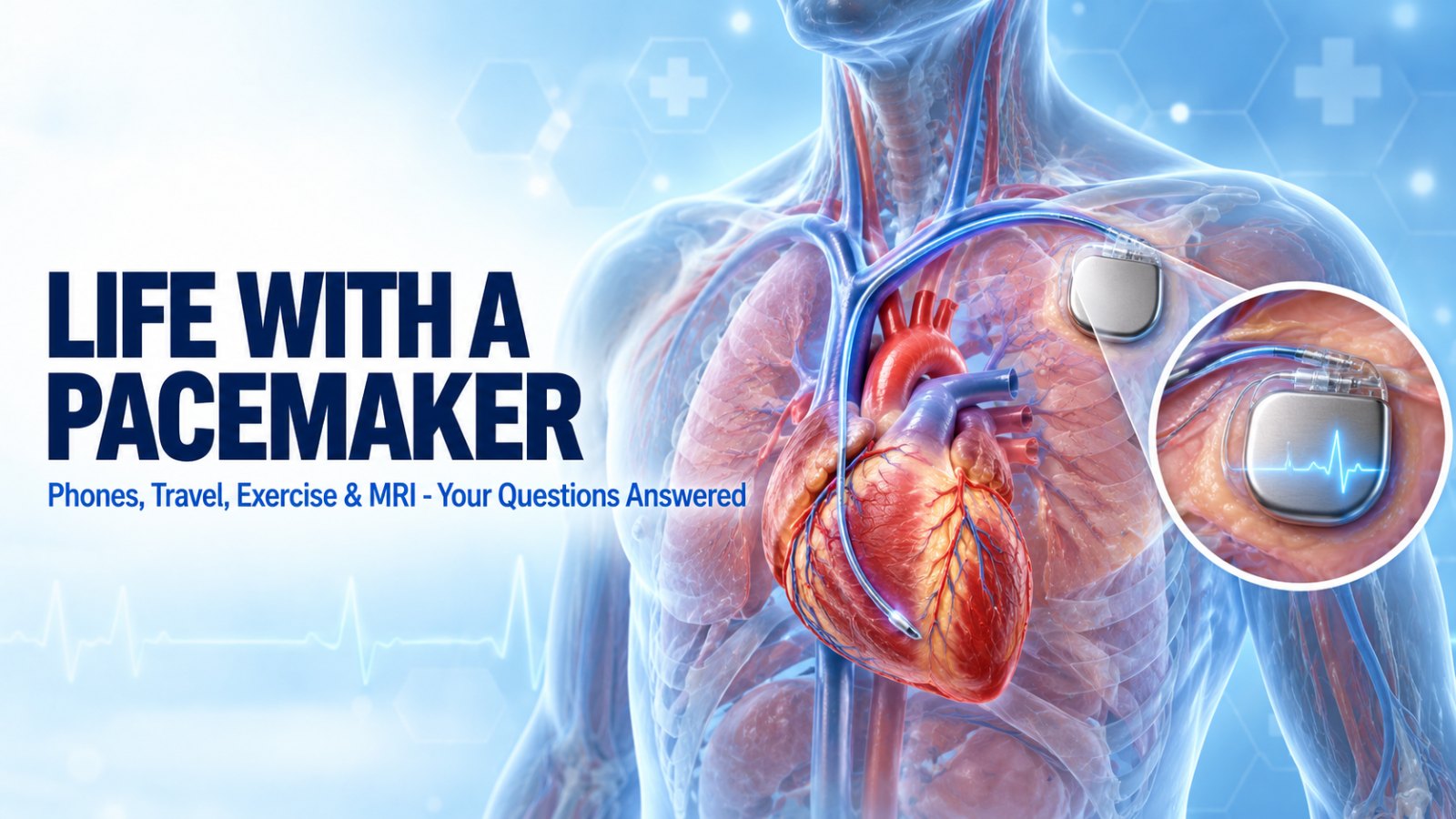
The procedure went smoothly. The pacemaker is working. And then, on the drive home, the questions start. Can I keep my phone in my shirt pocket? Will the airport scanner stop it? Can I still cook on my induction stove? Will I ever ride my scooter again?
If you or someone you love has just been advised a pacemaker, these worries are completely normal. The good news is that a modern pacemaker is designed to fit into everyday life, not to restrict it. Most people return to work, travel, exercise and family life within weeks, and many say they feel better than they have in years. Here are clear answers to the questions patients ask us most often.
In this article
First, What Does a Pacemaker Actually Do?
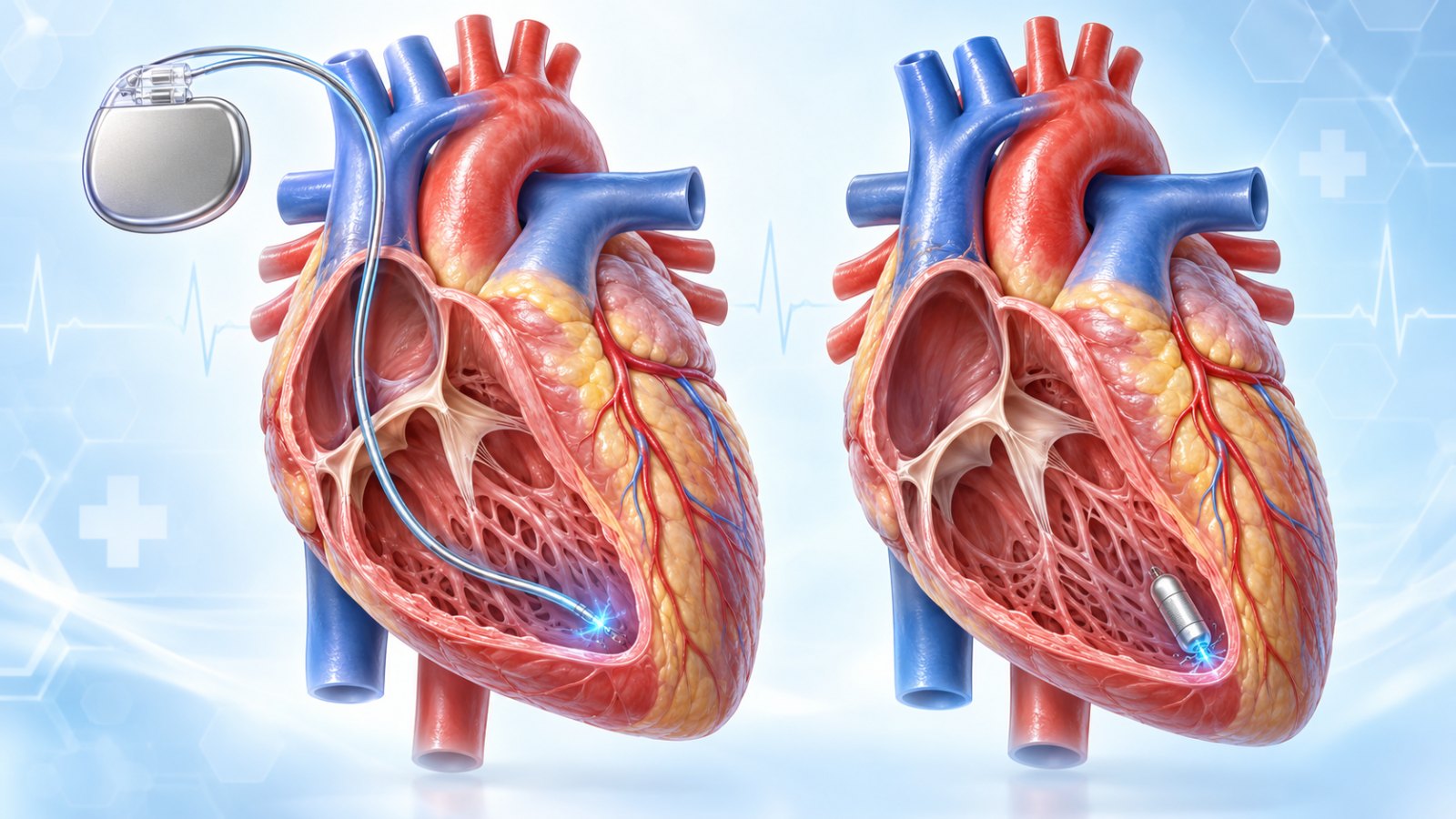
A pacemaker is a small battery-powered device, usually placed under the skin just below the collarbone. It is connected to the heart by one or more thin wires called leads. It constantly watches your heartbeat and steps in with a tiny, painless electrical signal only when your heart beats too slowly or pauses.
Think of it as a safety net, not a replacement engine. Your heart still does the pumping; the pacemaker simply makes sure the rhythm never drops dangerously low.
Common reasons people need one
- Heart block, where the electrical signal from the upper to lower chambers is delayed or blocked.
- Sick sinus syndrome, where the heart’s natural pacemaker becomes unreliable.
- Slow heart rate with fainting, dizziness or breathlessness, often in older adults.
- Heart failure in selected patients, using a special “biventricular” pacemaker (CRT) that helps both sides of the heart pump in sync.
Key takeaways
- Most daily activities are safe with a pacemaker; a few simple habits keep it that way.
- Keep phones, earbuds and magnets at least 15 cm (6 inches) from the device.
- Avoid lifting the arm on the pacemaker side above shoulder level for the first few weeks.
- Many modern pacemakers are MRI-conditional; always carry your device ID card.
- Regular device checks are as important as the procedure itself.
Your 12 Everyday Questions, Answered
Can I use my mobile phone?
Yes. Phones pose a very small risk. The simple rule recommended by the American Heart Association: keep your phone at least 15 cm (about 6 inches) away from the pacemaker. Hold it to the ear on the opposite side, and do not carry it in a shirt pocket over the device. Lakshmi now keeps her phone in her handbag and uses it on her right ear; her nightly video calls continue.
What about earphones and smartwatches?
Earbuds and headphones contain magnets. Do not drape them around your neck so they rest on your chest, and do not keep them in a breast pocket. Smartwatches worn on the wrist are generally fine.
Will airport security affect my pacemaker?
Walk-through metal detectors are unlikely to cause problems; just walk through normally without lingering. Show your pacemaker ID card to security staff. If a handheld wand is used, ask them not to hold it over the device, or request a pat-down instead.
Can I cook on an induction stove or use a microwave?
Microwave ovens and common kitchen appliances are safe. Induction cooktops produce a magnetic field, so keep a little distance and avoid leaning your chest directly over an active induction plate. Your device team can give advice specific to your model.
When can I drive or ride my two-wheeler again?
Most patients can resume driving within about a week, once the wound has settled and your doctor confirms the device is working well. If you were fainting before the procedure, your doctor may advise a slightly longer gap. Avoid a seatbelt strap rubbing hard on the wound by placing a small soft pad under it.
How should I care for my arm and wound?
For the first 4–6 weeks, avoid lifting the arm on the pacemaker side above shoulder level and avoid heavy lifting or vigorous swinging movements. This lets the leads settle firmly in place. Keep the wound clean and dry, and watch for redness, swelling, discharge or fever.
Can I exercise, do yoga or play sports?
Yes, and you should. Walking is encouraged from day one. Gentle yoga, cycling and swimming can usually resume after the initial healing period. Avoid contact sports or activities that could cause a direct blow to the device, and get your doctor’s clearance before heavy weight training.
Can I have an MRI scan?
Many modern pacemakers are MRI-conditional, meaning they can safely go through MRI under specific settings. The device is usually programmed into a special mode before the scan and restored afterwards. Never walk into an MRI room without informing the staff about your device.
Are there things I should avoid completely?
- Magnetic therapy products, magnetic mattresses and pillows.
- Electronic “ab stimulator” belts and body-fat scales that pass current through the body.
- Leaning over a running car engine or standing close to arc welding equipment.
- Lingering inside shop anti-theft gates; simply walk through.
How long does the battery last?
Typically around 7 to 12 years, depending on how often the pacemaker needs to pace. The battery does not suddenly die; it is checked at every follow-up, and replacement is planned well in advance. Changing the battery is a short procedure, and the existing leads are usually reused.
What is a leadless pacemaker?
A leadless pacemaker is a capsule about the size of a large vitamin pill, placed directly inside the heart through a vein in the leg. There is no chest wound, no pocket and no lead, which can mean fewer lead- and pocket-related complications. It is suitable for selected patients, and your electrophysiologist will advise whether it fits your heart rhythm problem.
How often will my pacemaker be checked?
Usually a check a few weeks after implantation, then every 6–12 months. Many devices also support remote monitoring, sending data from home so problems can be spotted early.
Myths vs Facts
| Myth | Fact |
|---|---|
| “A pacemaker means my heart is failing.” | Most pacemakers treat an electrical (rhythm) problem, not weak pumping. Many patients have a normally pumping heart. |
| “I can’t use any electronic devices.” | Almost all household electronics are safe. A few simple distance rules are enough. |
| “The pacemaker controls my heart all the time.” | It only paces when needed. Your own heart rhythm takes over whenever it is adequate. |
| “Life will never be normal again.” | Most people return to work, travel and exercise within weeks, often with more energy than before. |
Why Experience Matters in Device Implantation
Dr. V. Rajasekhar is both an interventional cardiologist and an electrophysiologist, performing over a hundred device implantations every year, including pacemakers, resynchronisation (CRT) devices and defibrillators (ICDs). He is also a proctor (trainer) for device implantation, including leadless pacemakers. That means careful device selection, precise lead placement and structured follow-up, all designed to keep complications low and help you get back to normal life quickly.
Frequently Asked Questions
Is pacemaker implantation a major surgery?
No. It is a minimally invasive procedure done under local anaesthesia, usually taking about an hour. Most patients go home within one to two days.
Will I feel the pacemaker working?
Most people do not feel the pacing signals at all. You may be aware of the device under the skin for the first few weeks until you get used to it.
Can I sleep on the side of my pacemaker?
After the wound has healed, yes. In the first week or two, sleeping on your back or the opposite side is usually more comfortable.
Can I travel by air after a pacemaker?
Yes. Most patients can fly once the wound is healing well and their doctor has cleared them. Carry your device ID card and a copy of your latest device check report.
Is a leadless pacemaker better than a traditional one?
It avoids the chest pocket and leads, which reduces certain complications, but it is not suitable for every rhythm problem. The best choice depends on your diagnosis and needs.
What happens when the battery runs low?
Your follow-up checks will show the battery status months in advance. The generator is replaced in a short planned procedure, usually reusing the existing leads.
Been told you need a pacemaker?
Get your questions answered by an experienced electrophysiologist. Consult Dr. V. Rajasekhar at Yashoda Hospitals, Hitec City.
Call 090003 25483Book a ConsultationYashoda Hospitals, Hitec City, Kothaguda, Hyderabad 500084
This article is for general education and does not replace advice from your own cardiologist. Device instructions can vary between models; always follow the guidance given for your specific pacemaker.